

An office’s design does more than define where you work; it also communicates the brand’s identity, impacts productivity, and develops business culture. The right office layout can elevate your workspace to new heights in today’s corporate environment, where grandeur and functionality go hand in hand. Each style offers a unique set of advantages, ranging from open layouts that promote creativity and teamwork to closed offices that provide solitude, privacy and focus. Finding the configuration that best suits your objectives and style is crucial.
What is an Open Office Design?
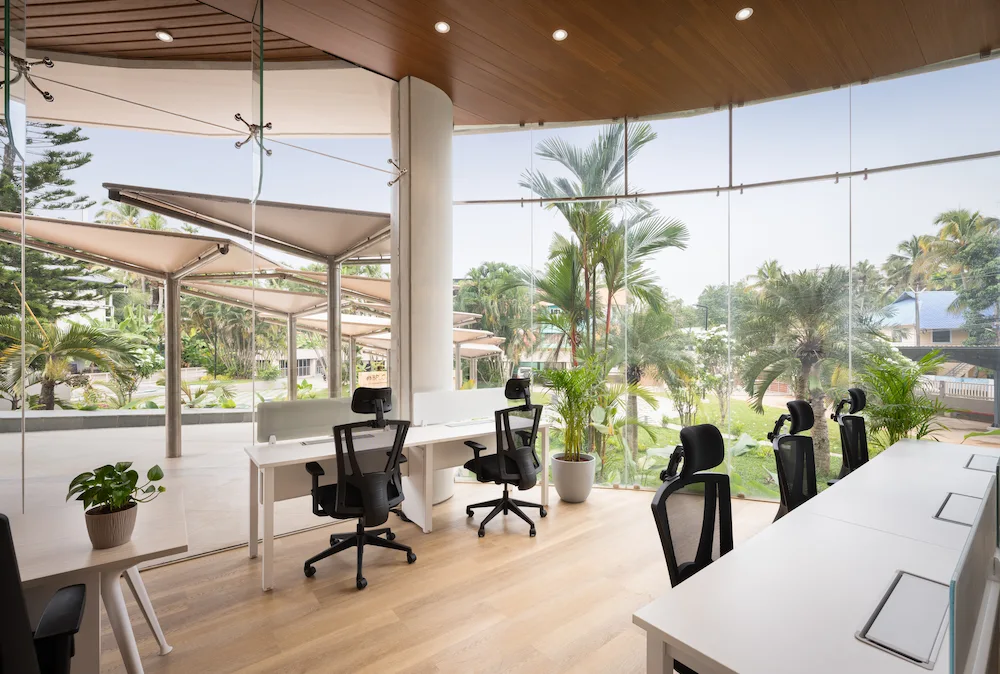
An open office design encourages a collaborative and open atmosphere by having few private offices or partitions. Usually, these arrangements include breakout spaces, common tables, and shared workstations.
Key Features of Open Office Design
- Rows of workstations where staff members are collaborating face-to-face.
- Very few or no partitions and dividers.
- High levels of cooperation and communication at work.
- Natural light.
- An emphasis on smart workplace procedures and technology.
- A variety of distinct areas, such as silent, breakout, meeting, and collaboration spaces.
- Freedom and adaptability.
- An emphasis on furniture positioning and ergonomics, making sure that the furnishings are adaptable and comfy.
- Options for organising and storage.
- Interior design and branding should represent the culture and values of the company.
Pros of Open Office Design
The following are some advantages that open-layout office design offer:
- Regular and simple communication that enhances problem-solving, cooperation, and teamwork.
- Lower construction costs, saving money on manpower and building materials.
- Enables simple reconfiguration to meet evolving demands and corporate development.
- Employees and managers collaborate closely, encouraging openness and trust.
- Open areas make a place feel contemporary and welcoming.
- The workplace can be adjusted and working circumstances can be flexible when there are no permanent walls.
Cons of Open Office Design
The following are some cons that open-layout workplaces offer:
- Distractions and noise from coworkers, guests, and the outdoors may affect focus and productivity levels.
- Interruptions might hinder tasks that need intense focus.
- The continuous hum of activity in open-layout office design can cause overstimulation, which can affect mental health and make it challenging for certain employees to do their best work.
- This can increase the risk of germs and illness spreading.
- Over time, a lack of personal space can make employees feel vulnerable and even anxious.
Also Read: Balancing Privacy and Openness in Office Layouts
What is a Closed Office Design?
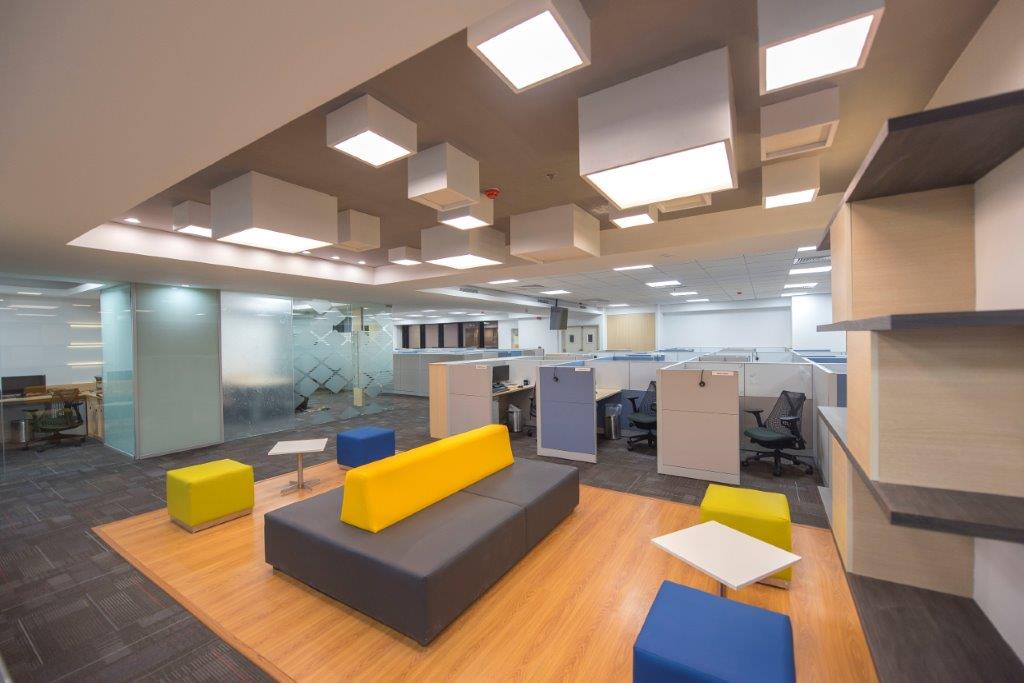
A closed office system consists of cubicles or private offices that are divided by walls or other structures. Additionally, it gives employees much more privacy so they can sit and work without being disturbed by noise, which improves focus.
Key Features of Closed Office Design
- Enclosed work areas for departments or people
- Clearly defined boundaries between private and shared spaces
- Increased concentration and fewer distractions
- Preferred in fields such as consulting, law, and finance
Pros of Closed Office Design
The following are some advantages that closed-layout workplaces offer:
- Closed office designs provide the privacy and security required to preserve discretion when handling sensitive data or private client conversations.
- Reduced background noise improves the effectiveness of meetings and phone conversations.
- A private office’s calm and concentrated environment may greatly boost output by allowing employees to work without continual distractions.
- Allowing employees to personalize their cubicles can enhance motivation and satisfaction.
- A professional and organised setting is frequently necessary for sectors like law, banking, and healthcare. Conventional offices foster a formality that is consistent with these industry norms.
Cons of Closed Office Design
The following are some disadvantages that closed-layout workplaces offer:
- Due to restricted visibility, it is challenging for owners, executives, supervisors, and other corporate authorities to keep an eye on staff performance.
- Building separate offices or cubicles costs more up front since it takes more time, money, and materials.
- It might be difficult to modify a typical office layout to accommodate changing company requirements once it has been established.
- Fewer Spontaneous Interactions: Limited opportunity for impromptu discussions and idea-sharing.
- Enclosed offices take up a lot of room and may reduce capacity.
Read more: How to Design an Office Space to Boost Creativity and Innovation?
Conclusion
Both open and closed office designs have advantages and challenges. While open workplaces encourage openness, creativity, and teamwork, they can also result in distractions and a lack of privacy. Open office layouts encourage creativity, collaboration, and openness but can lead to noise and reduced privacy. Closed layouts provide a quiet, private setting that supports focus yet may restrict teamwork and increase expenses. Ultimately, the optimal choice depends on your organisation’s culture, work requirements, available space, budget, and workforce needs.
Professional office interior designers like Arteriors can assist in creating a productive and happy work atmosphere by designing an office space that balances both closed and open aspects. Since its founding in 2013, Arteriors has offered comprehensive interior design and implementation services for commercial interior spaces. With a committed staff on hand 24/7, we serve as a “One Stop Shop” for all interior needs for commercial offices. Our team of professionals is committed to helping businesses develop places that are not only functional but also visually beautiful and consistent with your brand identity. We specialise in corporate interior design and fit-out services.

Share your thoughts
No Comments